East China / Destination Guide
Shanghai
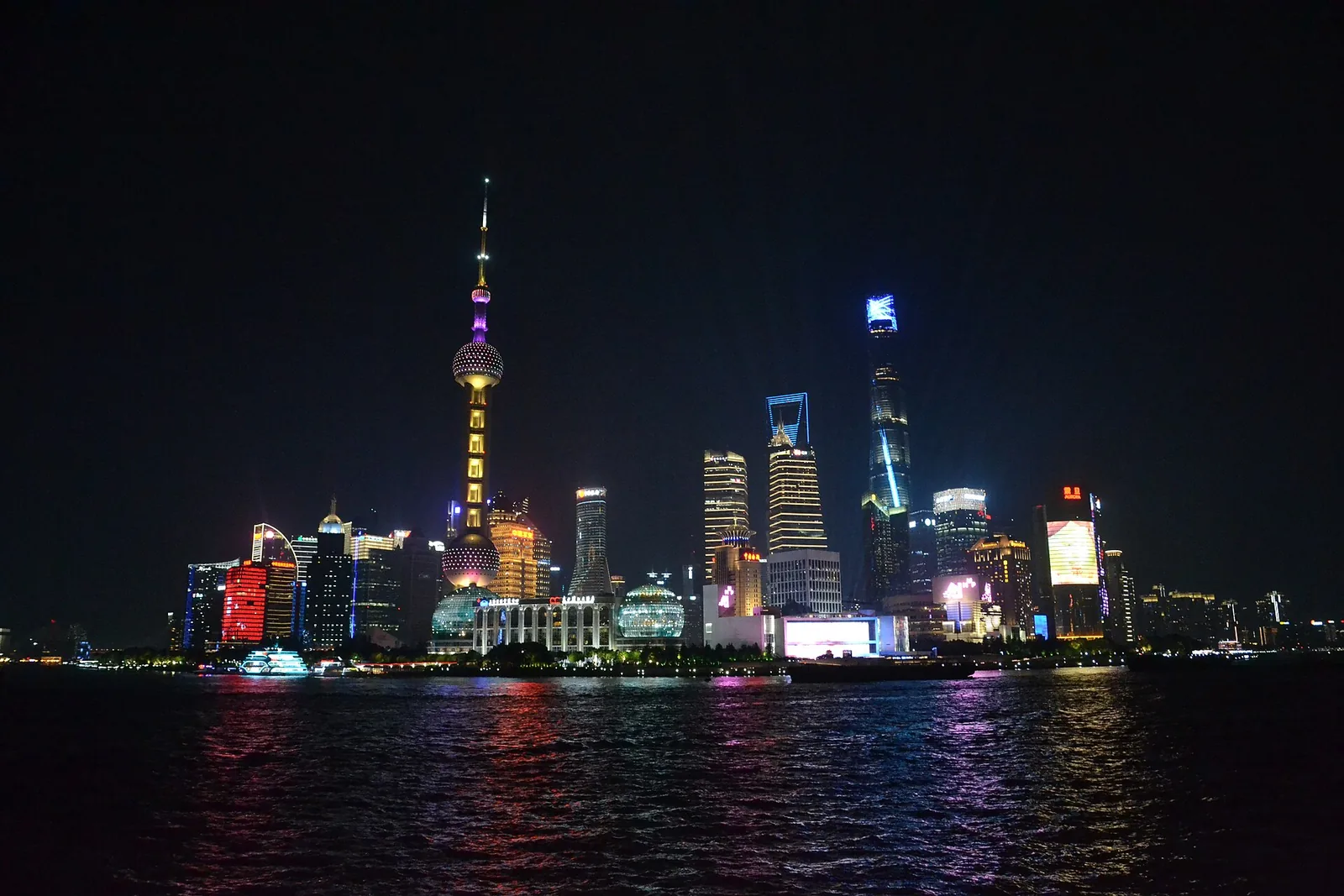
Discover Shanghai
Use this Shanghai guide to plan neighborhoods, timing, side trips, and what makes the city easy for English-speaking travelers.
Best for
First-time arrivals
Shanghai is a strong place to begin a classic China itinerary.
Pace
History-heavy
Expect landmark days balanced by evenings in local neighborhoods.
Next step
Open the city hub
Continue in the Shanghai city guide for walks, food, and practical notes.
Why travelers add Shanghai
Shanghai shows a different face of China: modern, design-led, cosmopolitan, and efficient. Visitors who worry about arriving in China often find Shanghai the gentlest entry point because signage, hotel standards, and transport systems are intuitive with minimal preparation.
It also works well at the end of a historical route, giving the trip a finale built around skyline views, architecture, dining, and easy shopping.
That contrast is one of Shanghai's biggest strengths. After Beijing or Xi'an, the city can feel like a release valve: still substantial, but cleaner in rhythm and easier to enjoy without a heavy museum or monument load.
Best trip style
Shanghai suits couples, food travelers, and anyone combining city comfort with day trips. Travelers looking for deep heritage should not make it their only stop, but it becomes very strong when paired with Beijing, Hangzhou, or water towns nearby.
It is also one of the easiest places in China for a short premium trip. Good hotels, clear transport, strong restaurant density, and a broad range of neighborhood moods mean the city adapts well to both first-time and return visitors.
How many days Shanghai really needs
Two nights is enough for a layover-style visit if your goal is simply to see the skyline, walk one or two neighborhoods, and enjoy a polished dinner or riverfront evening. Three nights is where Shanghai starts to feel complete.
A fourth night only makes sense if you want to use the city as a base for Hangzhou, Suzhou, or a slower design-and-food-focused stay. Otherwise, many travelers get better value by pairing Shanghai with a contrasting destination rather than stretching the city too thin.
Because the city is operationally easy, travelers often underestimate how much walking a good Shanghai trip still involves. Distances within neighborhoods are manageable, but the temptation to add too many districts in one day can flatten the experience.
Where to stay and how it changes the trip
The Bund area suits travelers who want a classic skyline frame and a more cinematic arrival into the city. It is visually strong, but many visitors do not need to stay there for the whole trip if neighborhood atmosphere matters more than postcard access.
The former French Concession works well for travelers who want lane houses, cafes, boutique hotels, and a walkable urban rhythm. Jing'an is one of the strongest middle-ground choices because it balances access, dining, and a polished city feel without leaning too hard into one identity.
Lujiazui is useful when hotels, views, and modern business-district convenience matter most, but it can feel less human-scale for leisure travelers. The right choice depends on whether your Shanghai is about skyline, style, or comfort.
What Shanghai does better than most China stops
Shanghai excels at helping visitors recover from over-planning. The city rewards loose frameworks: one area in the morning, one lunch target, one architecture or shopping block, and one evening mood. That makes it especially valuable at the end of a longer route.
It is also one of the best places to introduce travelers to contemporary China. The city lets you read retail culture, design ambition, urban planning, and food trends in a way that feels immediate rather than purely historical.
For visitors nervous about payments, transport, or navigating on the ground, Shanghai offers one of the lowest-friction learning curves in the country.
Best times to visit Shanghai
March, April, October, and November are usually the easiest months because the humidity is lower and the city feels better for long neighborhood walks. These are also strong months for side trips to Hangzhou and Suzhou.
Summer can still be enjoyable if your trip style leans toward hotels, rooftop views, and shorter outdoor windows, but the humidity changes the city significantly. Winter is quieter and sometimes underrated, especially for food-led and shopping-led trips, though skyline days can feel gray.
Shanghai is generally more forgiving than Beijing in shoulder or colder months, which is one reason it works so well as a first or final city on a broader route.
Sights & guides
Follow the local details.
Destination Guide
Shanghai
Use this Shanghai travel guide to plan the Bund, French Concession, neighborhoods, hotels, food, airport transfers, side trips, and first-time visitor logistics.
Itinerary
Best Day Trips from Shanghai: Suzhou, Water Towns, and More
Compare Suzhou, Zhujiajiao, Jiaxing, and Wuzhen day trips from Shanghai by train planning, walking, atmosphere, and return-time risk.
City Guide
Best Day Trips from Shanghai
Compare Suzhou, Hangzhou, Zhujiajiao, and other Shanghai day trips by train planning, scenery, walking, timing, and first-time visitor fit.

Travel Guide
How to Get Around Shanghai
Use Shanghai Metro, taxis, Didi, ferries, and walking with practical advice for payments, luggage, families, airport transfers, and late nights.
Travel Guide
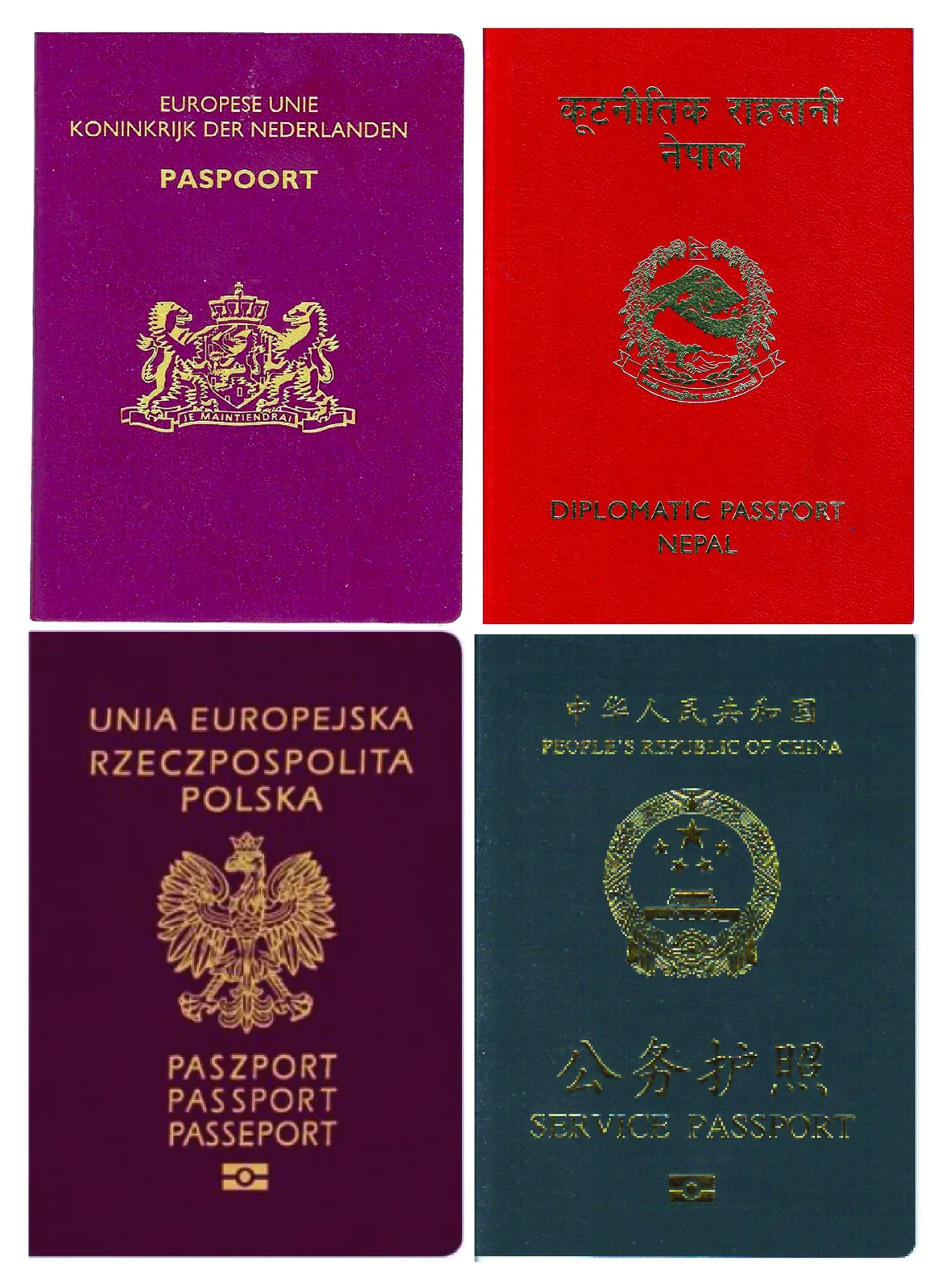
Shanghai 240-Hour Visa-Free Transit Guide
Check Shanghai's 240-hour visa-free transit, ordinary China visa-free entry, third-country rules, documents, ports, timing, and itinerary examples.
Planning details
Before you book.
01
Timing, tickets, and how many days to protect
02
Neighborhoods that make first nights easier
03
How this stop connects to the next city by rail
Route ideas
Journeys anchored around Shanghai

Private food route plus local context
A Shanghai food tour built around how the city eats.
Plan a private Shanghai food tour with local dishes, neighborhood walks, ordering help, dietary planning, and a route shaped around your hotel and pace.
Private planning plus local support
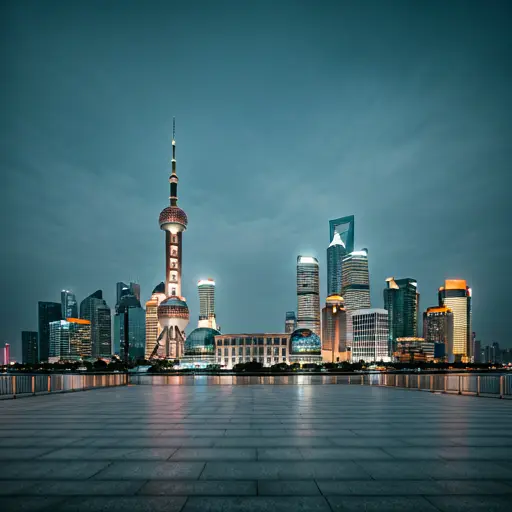
Shanghai private tour guide support, shaped around your trip.
Plan a Shanghai private tour with English-speaking local guide support for city routes, families, food, tickets, transport, day trips, and first-time visits.
Urban + scenic / Shanghai
6-Day Shanghai, Suzhou, and Hangzhou Escape
Experience a polished east-China itinerary that combines Shanghai, Suzhou, and Hangzhou with private planning and smooth rail connections.
Plan this stop
Tell us how Shanghai should feel.
An inquiry starts a conversation. It does not confirm a booking.