North China / Destination Guide
Beijing
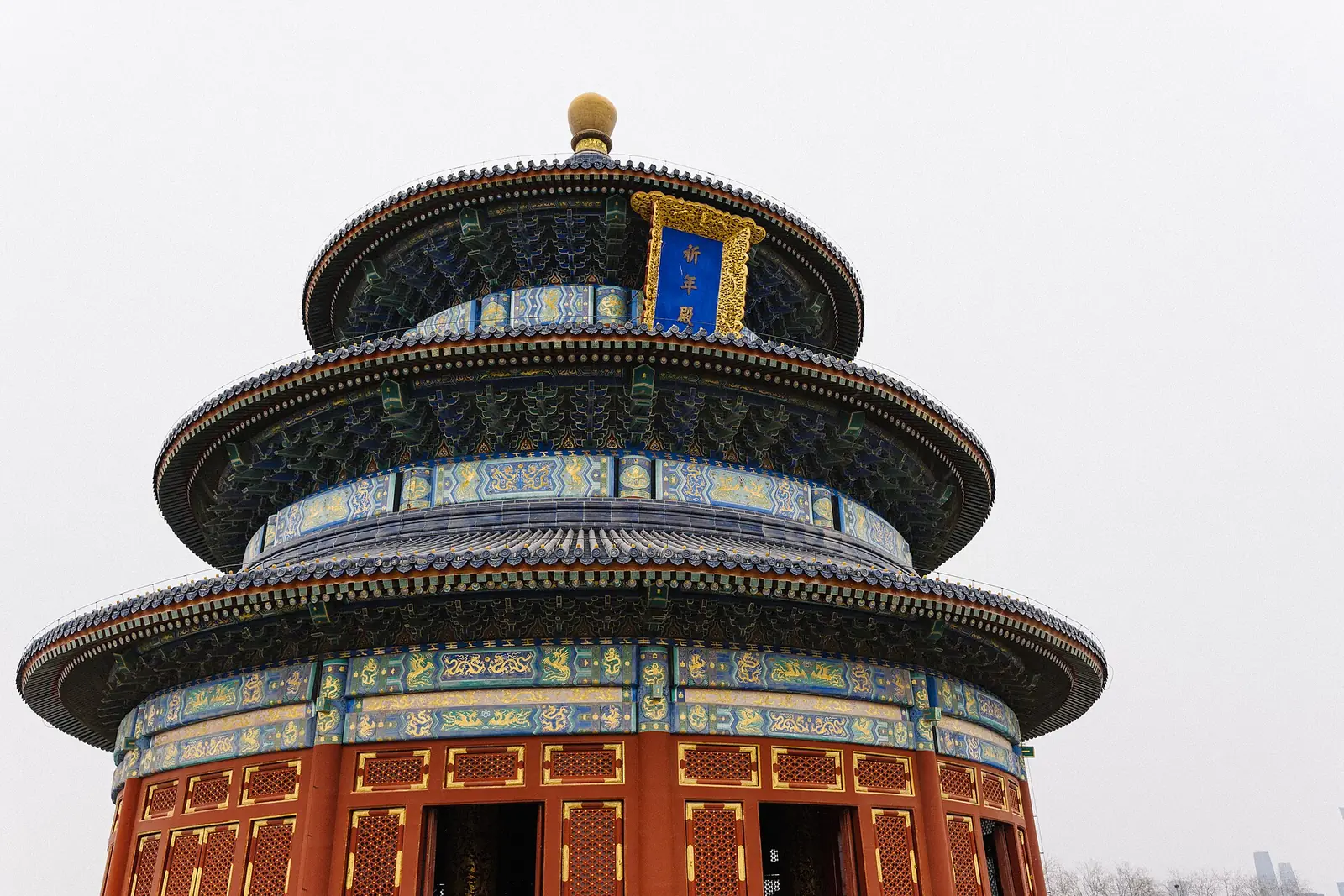
Discover Beijing
Plan a better Beijing trip with practical advice on timing, neighborhoods, Great Wall access, and first-time travel logistics.
Best for
First-time arrivals
Beijing is a strong place to begin a classic China itinerary.
Pace
History-heavy
Expect landmark days balanced by evenings in local neighborhoods.
Next step
Open the city hub
Continue in the Beijing city guide for walks, food, and practical notes.
Why Beijing works for English-speaking visitors
Beijing concentrates many of the country's must-see historical sites into a city that is comparatively easy to navigate with preparation. That makes it a reliable first stop for visitors who want orientation, context, and recognizable landmarks without spending the whole trip in transit.
A strong Beijing plan balances monumental sites with smaller-scale experiences: hutong walks, tea houses, architecture, and restaurant stops that explain everyday life beyond the headline attractions.
For international visitors, Beijing also gives the clearest introduction to the country's scale. You get headline history, government-era urban design, and one of the easiest jumping-off points for rail connections to Xi'an, Shanghai, and other classic first-trip stops.
How many days you really need
Three nights is the minimum if your focus is the Forbidden City, the Great Wall, and one or two cultural neighborhoods. Four or five nights works better for families, travelers dealing with jet lag, or anyone who wants a slower rhythm with a private guide.
The mistake many first-time visitors make is assuming Beijing is simply a two-day checklist city. In practice, the distances, queue times, and scale of the major sites mean short stays can become more exhausting than they need to be. An extra night usually improves the trip more than trying to add another city.
If your trip to China is only one week long, Beijing still deserves a meaningful share of that time. If the trip is longer, Beijing usually works best as the first anchor rather than a late add-on.
How to structure a stronger first Beijing itinerary
The cleanest first-time structure is one imperial core day, one Great Wall day, and one more flexible day for neighborhoods, food, temples, or modern culture. That rhythm makes the city feel layered instead of repetitive.
Travelers with private guide support often get more value by using it selectively. The Forbidden City and Great Wall day reward context and smoother logistics. Other windows, especially evenings, can stay looser and more local.
A good Beijing plan should also leave room for recovery. The city's historic weight is a strength, but it can become mentally heavy if every hour is built around another ticketed site.
Where to stay and what each area changes
Dongcheng is usually the safest recommendation for first-time visitors because it keeps you close to the historic core while still giving you restaurant and transit options. It works well for travelers who want efficient sightseeing mornings.
Shichahai and nearby hutong areas suit travelers who care more about atmosphere and slower evenings, though hotel quality varies more. Sanlitun is stronger for dining and a more contemporary city feel, especially for return visitors or travelers who do not want every evening to feel historical.
The best choice is less about the trendiest neighborhood and more about the type of trip you want. For a classic route, staying somewhere operationally easy usually beats chasing a romantic but inconvenient address.
Best times to visit Beijing
April, May, September, and October are the safest starting points because temperatures are friendlier and the walking load is easier to manage. These months make both central sightseeing and the Great Wall more comfortable.
Summer can still work, but heat, humidity, and crowd pressure change the tone of the city quickly. Winter can be rewarding for travelers who like dry air, lower tourist pressure, and crisp monument days, but it demands more tolerance for cold mornings and occasional wind.
The week around October 1 is usually the wrong time for a first Beijing trip unless your schedule leaves no alternative. Demand rises sharply, landmark areas feel denser, and the city becomes harder to read calmly.
When Beijing is not the right fit
Beijing is not always the best lead destination for travelers who want a soft, scenic, or romantic start to China. In those cases, Shanghai, Hangzhou, Guilin, or Yunnan can feel more intuitive emotionally, even if Beijing still belongs later in the trip.
It is also not ideal for travelers who dislike queue-heavy heritage days and have very limited time. Those visitors are often better off choosing one or two cities with a lighter planning burden rather than trying to "do Beijing properly" in a compressed window.
That said, Beijing remains one of the best choices for travelers who want context. If understanding modern China and imperial China matters as much as ticking off attractions, the city earns its place quickly.
Sights & guides
Follow the local details.
Destination Guide
Beijing
Plan Beijing with practical guidance on the Forbidden City, Great Wall, hutongs, hotels, transport, tickets, food, and first-time itineraries.
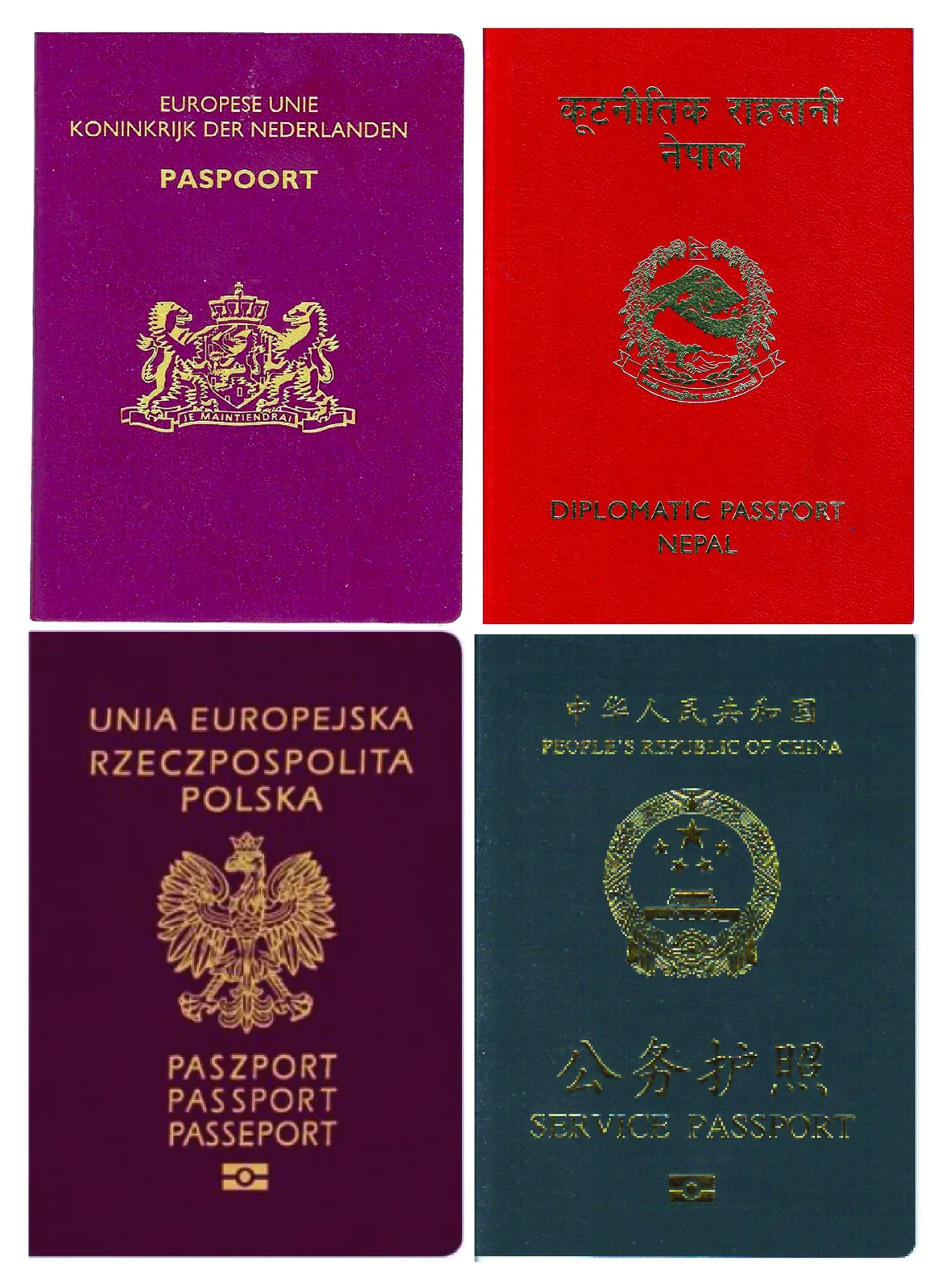
Travel Basics
Beijing 240-Hour Visa-Free Transit: Eligibility and Route Rules
Check Beijing 240-hour visa-free transit eligibility, third-country route rules, documents, ports, permitted areas, and common mistakes before booking flights.

Transportation
Beijing Airport to City: PEK and PKX Transfer Guide
Compare trains, taxis, Didi, and private transfers from Beijing Capital Airport or Daxing Airport to the city, including luggage and late arrivals.
Travel Basics
Beijing Attractions Booking Guide: Forbidden City and Museums
Plan Forbidden City, museum, and major Beijing attraction bookings with passport rules, official channels, timed entry, and closure days before your visit.

Bars & Cocktails
Best Bars in Beijing: Cocktails, Hutongs and Craft Beer
Compare five Beijing bars, from TIAO and Bar Long Fong to Make a Toast, Slow Boat and Jing-A, with Chinese map names, neighborhoods and booking tips.
Craft Beer
Beijing Beer Guide: Local Breweries and Hutong Taprooms
Explore Beijing beer with Slow Boat, Jing-A and hutong taproom leads, plus Chinese names, branch checks, tasting advice and simple dinner routes.
Planning details
Before you book.
01
Timing, tickets, and how many days to protect
02
Neighborhoods that make first nights easier
03
How this stop connects to the next city by rail
Route ideas
Journeys anchored around Beijing

Private food and neighborhood planning
A Beijing food tour built around dishes, neighborhoods, and your pace.
Plan a private Beijing food tour with local dishes, hutong walks, ordering help, dietary planning, and a route shaped around your hotel and pace.
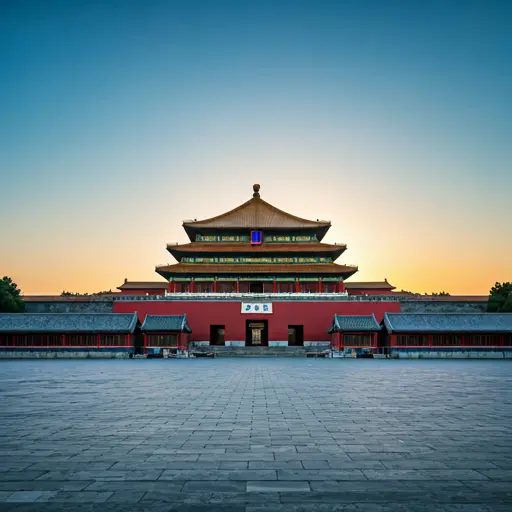
Private planning plus local support
Beijing private tour guide support, shaped around your trip.
Plan a private Beijing tour with English-speaking guide support for heritage sites, hutongs, families, tickets, transport, and Great Wall day trips.
Short city escape / Beijing
4-Day Beijing City Break
Take a practical, private 4-day Beijing trip covering the Great Wall, imperial landmarks, and neighborhood experiences with easy logistics.
Plan this stop
Tell us how Beijing should feel.
An inquiry starts a conversation. It does not confirm a booking.